

THE IMPORTANCE OF RELATIONSHIPS FOR THE ELDERLY : MindsetOpediaDMHC Blogs
- wiccinpwc

- Jun 5, 2022
- 3 min read

‘Deep human connections is the purpose and the result of a meaningful life’ – Melinda Gates

When you think of conditions that can affect a senior individual’s health and quality of life, loneliness may not spring to mind. Loneliness, however, has been shown in studies to be as damaging as other medical conditions. It has been discovered that more than 40 million adults over the age of 45 suffer from chronic loneliness. That may sound strange given that technology has made us more connected to others than ever before. On the other hand, for many people, late adulthood is defined by physical or cognitive deterioration, as well as socioemotional loss. Regardless of the problems encountered, support systems can act as a buffer to help in healthy aging.
Throughout our lives, our friends and family serve as a support network for us. However, as we grow older, we frequently lose those social interactions for a variety of reasons. Some friends may move away. Some may pass away. It can become more difficult to travel to an event or even a friend’s home. Health may keep us tied closer to home. However, maintaining relationships is very important for quality of life in late adulthood. For one thing, staying socially active has been linked to health advantages, and staying well is vital for quality of life.
Humans need social interactions at every stage of their life. Although the quantity of social interactions decreases with age, the quality of social networks remains stable or even increases with age. Emotionally gratifying relationships and the social and emotional support, they provide safeguard older adults against the challenges inherent in the aging process, such as negative health changes, changes in cognitive functioning, or possible social losses. However, older persons who do not have good social relations and are socially isolated are more likely to feel lonely, which can lead to depressive symptoms or other mental health issues such as anxiety or suicidal ideation. Loneliness acts as a fertilizer for other diseases. It promotes several type of wear and tear in the body. Understanding from a biological perspective, loneliness can accelerate the build-up of plaque in arteries, help cancer cells grow and spread, and promote inflammation in the brain leading to Alzheimer’s disease.
It is easy to picture an elderly being isolated as a result of a chronic health issue. As a result, the individual may get lonely and subsequently depressed, resulting in a lack of motivation to maintain physical and mental activity. This lack of activity may result in loss of muscle mass, weight loss, dementia, etc. This domino effect of isolation, loneliness and depression can dramatically effect a senior’s health and wellness.
While the downside can seem overwhelming, there is an equally positive upside to the importance of relationships & connections for the elderly. Sometimes, seniors just need an opportunity to meet new people. Making new friends can be a great solution to physical inactivity; when friends encourage one another, seniors are more likely to take the extra step towards exercising. Simply getting together in the mall to go shopping or going on a morning walk with a few friends can have a significant impact on their health.
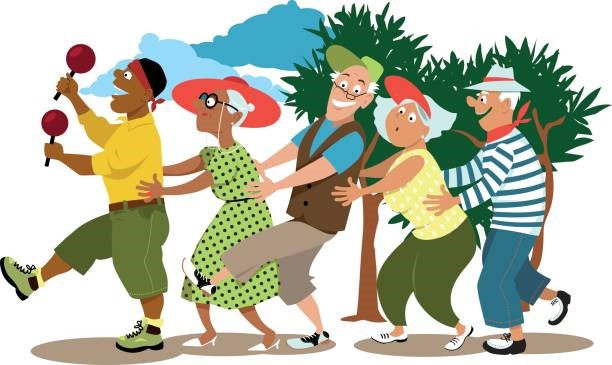
Relationships in the form of family, neighbours, community and good friends can have many different meanings to our elderly loved ones: an opportunity for physical activity, a chance to leave the house, someone to turn to when they’re in need, someone to share a conversation, games, or books with, and so forth. This can be a great source of encouragement, support, and deeper connections.
As people live longer, there is an increasing interest in understanding and promoting health in later life. We understand that relationships play a key role in maintaining healthy ageing, likely through the opportunities they provide for support exchanges, social engagement and sense of worth, something recognised even by older adults themselves, who endorse social relationships and social activities as being important. This thought rightly reflects the idea that deep human connections are the purpose as well as result of a meaningful life, which is necessary for healthy ageing.
By, Ms. Angela Mathias
Council Member
WICCI-DMHC


👏👏
A great blog highlighting the importance of social interactions throughout different stages 👏
A meaningful and well written blog✨💛💚🌟